
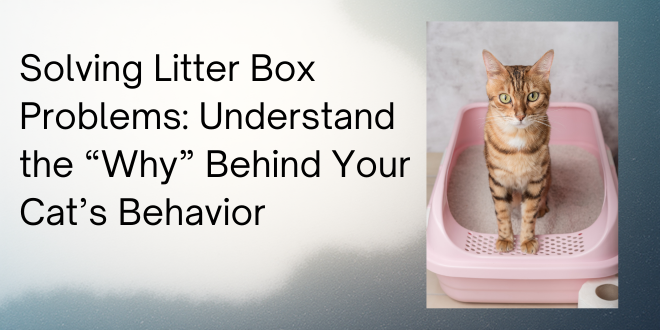
When a cat eliminates outside of the litter box, it’s easy to assume the behavior is spiteful or stubborn, but that’s not at all accurate, and thinking that way can actually prevent you from resolving the issue. Cats repeat behaviors that are useful to them. If your cat avoids the litter box, there is always a reason, and that reason makes sense from the cat’s perspective, even if it’s frustrating from your point of view.
Understanding why your cat is eliminating elsewhere is the first and most important step toward resolving the problem.
Physical and Medical Challenges
Sometimes the issue has nothing to do with behavior and everything to do with physical ability. Cats with arthritis, injuries, or other medical conditions may struggle to step into a litter box, climb stairs, or travel long distances to reach it. A cat with a full bladder may not be able to make it there in time. Whenever there is a litter box problem, the first step is to rule out medical issues by having your cat checked by the veterinarian.
In these cases, eliminating outside the box becomes a necessary reality for the aging cat, one with mobility issues, or if there are other medical concerns.
Use low-entry, uncovered litter boxes, place them in areas of the home where your cat spends time, and make the boxes convenient to access. If necessary, place absorbent pads under and around the litter box to catch spills. Most of all, be tolerant and understanding of missed litter box attempts.
Litter Box Cleanliness Matters
One of the most common reasons cats avoid the litter box is cleanliness. While scooping once a day or every other day may seem sufficient to you, that doesn’t cut it when it comes to a cat’s standard of cleanliness. The reason cats dig, eliminate, and then cover their waste, is based on their survival instinct. They don’t want the scent to attract unfamiliar cats, larger predators, or alert nearby potential prey. If the litter box is too dirty, your cat may view it as unsafe. As a result, she may simply choose a cleaner location elsewhere in the house.
This isn’t misbehavior; it’s problem-solving. A corner of the dining room or bedroom may feel cleaner and safer than a box that hasn’t been scooped.
Scoop a minimum of twice daily. I check the litter box every time I walk by it. If you have litter boxes that are in remote areas, it’s crucial that they not be forgotten when it comes to scooping and cleaning.

On a regular basis, empty out all the used litter, wash the box with mild, unscented soap, and replace with fresh litter. How often to do this will be based on the type of litter substrate used. Even if you use scoopable litter, don’t be fooled into thinking you never have to wash the box. Urine and feces will still touch the box surface, as well as the fact that litter granules can only absorb so much liquid. If the litter box smells dirty to you, imagine how offensive it must be to your cat who must come in close contact with it.
Stress, Fear, and Inter-Cat Conflict
Litter box avoidance can be rooted in stress, especially in multicat households, or ones that are chaotic or inconsistent. If your cat is ambushed, chased, or intimidated by another cat while using the litter box, she may begin to associate the box with danger.
For example, a cat may choose to eliminate in an open area like the dining room because it offers better visibility and escape potential. From there, she can see an approaching “opponent” and flee to safety if necessary. The litter box, particularly if it’s covered or tucked into a corner, can become a trap by providing ambush opportunities for other cats in the home. Even if all cats in the home typically get along, being suddenly surprised while in the litter box can result in reluctance to use the box in the future.
Provide multiple, uncovered litter boxes in different locations, ensure they are easily accessible, and avoid placing them in areas where cats can be cornered. If you have a cat or two who prefer a covered box, just be sure to also provide uncovered options as well. As for the correct number of litter boxes, it’s recommended that they outnumber the cats by at least one.
When locating litter boxes in a multicat home, pay attention to any social groups so you can place boxes in areas that are safely within personal areas. You don’t want one cat having to cross another cat’s personal territory, especially if it will result in resource guarding.
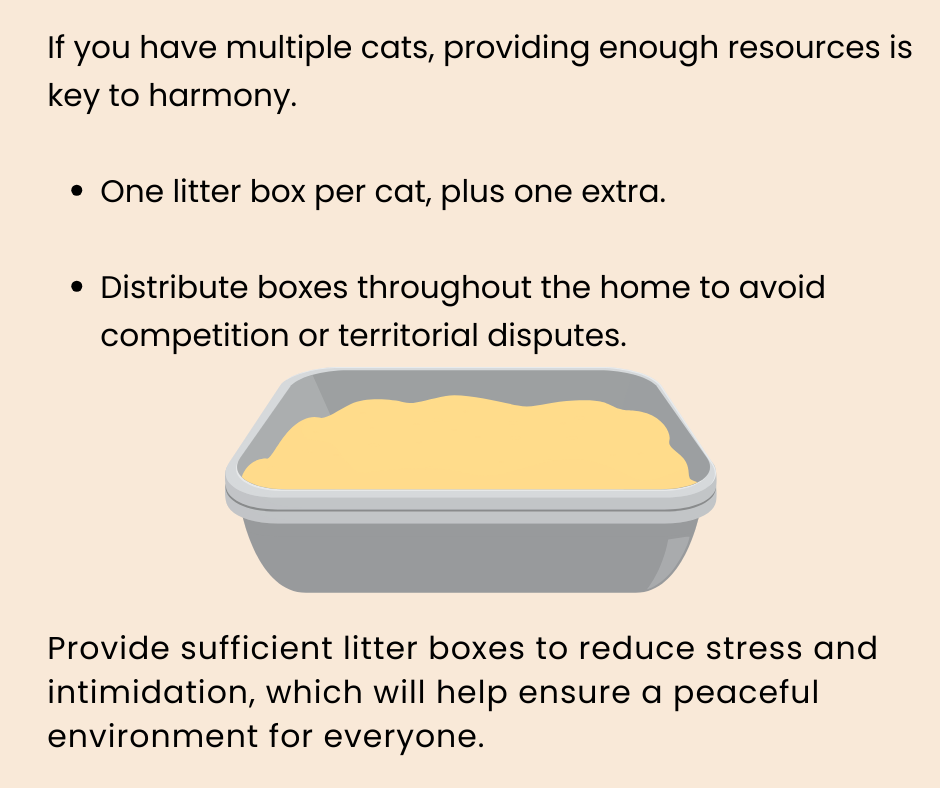
If you don’t live in a multicat household and just have one cat, there can still be stress if the environment is inconsistent, unpredictable, or hectic. Cats take comfort in predictability and a consistent routine.
Look at the Problem Through Your Cat’s Eyes
Litter box problems are not acts of defiance, spite, or stupidity. Your cat isn’t untrainable and she isn’t doing this to get back at you. They are critical signals that urgently need your attention. Your cat is communicating that something about her environment, health, or social situation isn’t working.
By identifying the true underlying cause, whether it’s cleanliness, stress, fear, or physical discomfort, address the real issue rather than just the symptom. With patience, observation, and appropriate adjustments, most litter box problems can be successfully resolved.
Need More Information?
This article is not meant to diagnose and is not a replacement for your cat’s veterinary care. If you have concerns or questions about your cat’s litter box habits, consult your veterinarian.
To learn more about litter box set-ups or litter box problems, refer to the best-selling books by Pam Johnson-Bennett. Her books are available through your favorite online source as well as in bookstores. For your convenience, we have included a link to Amazon.