
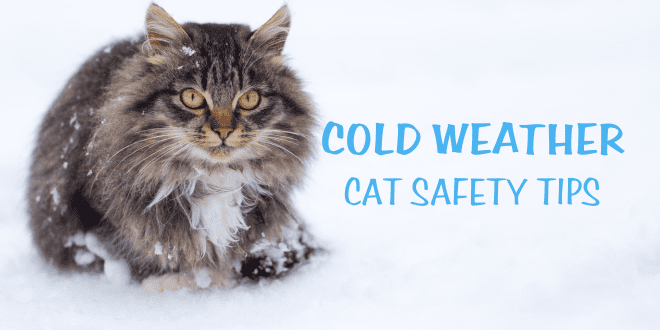
Keep Your Cat Indoors
This is the number one way to keep your cat safe and warm in the winter. Cats are at risk outdoors all year long but the danger increases in extreme weather. An outdoor cat can suffer frostbite on paws and ear tips and can actually end up freezing to death.
Outdoor cats who look for shelter may seek warmth in very dangerous places such as inside the warm engine of a car or inside wheel wells. This often ends up being fatal when an unsuspecting person starts the car up, or in the case of a cat inside the wheel well, puts the car in motion.
Bang on Your Car Hood to Alert a Cat
To protect the cats and other small animals who may seek warmth in car engines, give the hood of your car a couple of good hard smacks to startle any animal who may be in there. Cats may also hide in wheel wells so walk around your vehicle and do a visual check as well.

Identification
Even if you keep your cat indoors exclusively, use some form of identification. Microchipping is the most reliable because collars with ID tags can come off. It’s not uncommon for an indoor cat to slip out the door and find herself lost and confused in the frigid outdoors. The best way to get your cat returned to you is through identification. If you do use microchipping, make sure you keep the registry information current.
Clean Up All Antifreeze Spills to Protect Cats
Traditional antifreeze has a sweet taste and can be enticing for animals to ingest. Antifreeze leaks can occur, so be aware of any puddles you see in your driveway or garage. If you happen to spill antifreeze while adding it to your car, clean it up immediately, wipe antifreeze containers on the outside ,and tightly seal before storing them away in the garage.
Don’t Leave Your Cat in the Car
When traveling, don’t leave your cat in the cold car. Depending on the weather, the inside of the car can become cold enough to be fatal to your cat. In the summer, the inside of the car can become an oven that can turn lethal in mere moments and the winter temperature can be just as dangerous.
Watch for Frostbite on Outdoor Cats
If you allow your cat outdoors, keep in mind that they are susceptible to frostbite, especially on the ear tips. Always make sure your cat is indoors when the temperature gets uncomfortable and check your cat over physically to look for signs of frostbite.

Check the Paw Pads of Your Outdoor Cat
If you allow your cat outdoors during snowy or icy conditions, the paws pads can become burned and irritated by the ice melting salt products that get spread on sidewalks and driveways. To protect outdoor animals, switch to one of the pet safe ice melt products available instead of using traditional rock salt. You should also wipe the cat’s feet before she has a chance to begin licking her paws.
Create a Draft-Free Indoor Environment for Cats
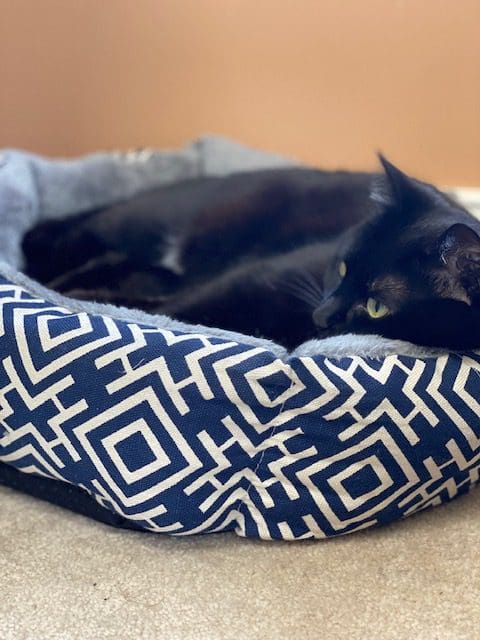
Even indoor cats can get uncomfortably cold. Your cat’s favorite napping areas and bedding should be located away from drafts. Since many cats love to sit at the window and watch the outdoor activity, address any drafts that leak through poorly sealed windows. If the house is drafty in general, set up some cozy napping places for your cat by using semi-enclosed beds or heated pet beds. The self-warming beds are safest because they reflect the cat’s body heat. If you use an electric heated bed, make sure your cat is mobile enough to be able to move away if the heat gets to be too much.
Pay Close Attention to Sick or Older Cats
Cats who are inactive, have lost muscle tone, lost weight, or have trouble maintaining their body temperature will need extra care to ensure they have adequate warm places for snuggling. An older cat with arthritis will truly appreciate being able to curl up in a soft, warm bed. Be extra mindful of cats who need a little extra help when it comes to staying warm and comfy. If your older cat has been used to going outdoors, this is the time to transition to indoor life. The cold outdoor environment is especially tough on the stiff joints of older, arthritic cats. Older cats can also become more easily disoriented, especially in snow, so keep your cat indoors.

Take Action When You See a Cat Outdoors
Too often, a cat spotted outdoors is overlooked or assumed to be safe. During dangerously cold weather, do not assume the cat will make it home in time. If possible, bring the cat indoors to protect her from harsh and life-threatening temperatures.
Many cats are microchipped, and by taking her to a local shelter or veterinary clinic, you may help reunite her with her family. At a minimum, providing temporary indoor shelter during severe weather can make a critical difference.
Please don’t assume that someone else will step in. Your actions could save a life.
Taking Care of Community Cats
If you feed and care for community cats, provide dry, secure outdoor shelters that protect animals from extreme temperatures, wind, and precipitation. Shelters should be insulated with straw, which repels moisture and helps retain warmth. Hay should not be used, as it absorbs moisture and can create a cold, damp environment. Blankets and fabric materials are also inappropriate because they retain moisture and may increase the risk of hypothermia or freezing.
If water is provided outdoors, heated bowls are strongly recommended. Without them, water must be replaced multiple times per day to prevent freezing. Food should also be monitored closely, as it can freeze quickly in cold conditions.
For detailed guidance on constructing safe and effective outdoor shelters for feral and community cats, consult the resources available from Alley Cat Allies.
Need More Information on Cat Behavior?
For more information on cat behavior and training, refer to the books by best-selling author Pam Johnson-Bennett. Pam’s books are available at bookstores and online. We’ve included Amazon links here on our website.

If you have a question regarding your cat’s health, please contact your veterinarian. This article is not intended as a replacement for your cat’s veterinary care.